
Neurosurgery
Neurosurgery includes procedures for conditions affecting the brain, skull base and nervous system. The appropriate approach depends on diagnosis, imaging, symptoms and individual clinical assessment.
Educational information only. The appropriate operation or treatment depends on diagnosis, test results, overall health, and a qualified clinician’s assessment.
Your specialty guide
What is Neurosurgery?
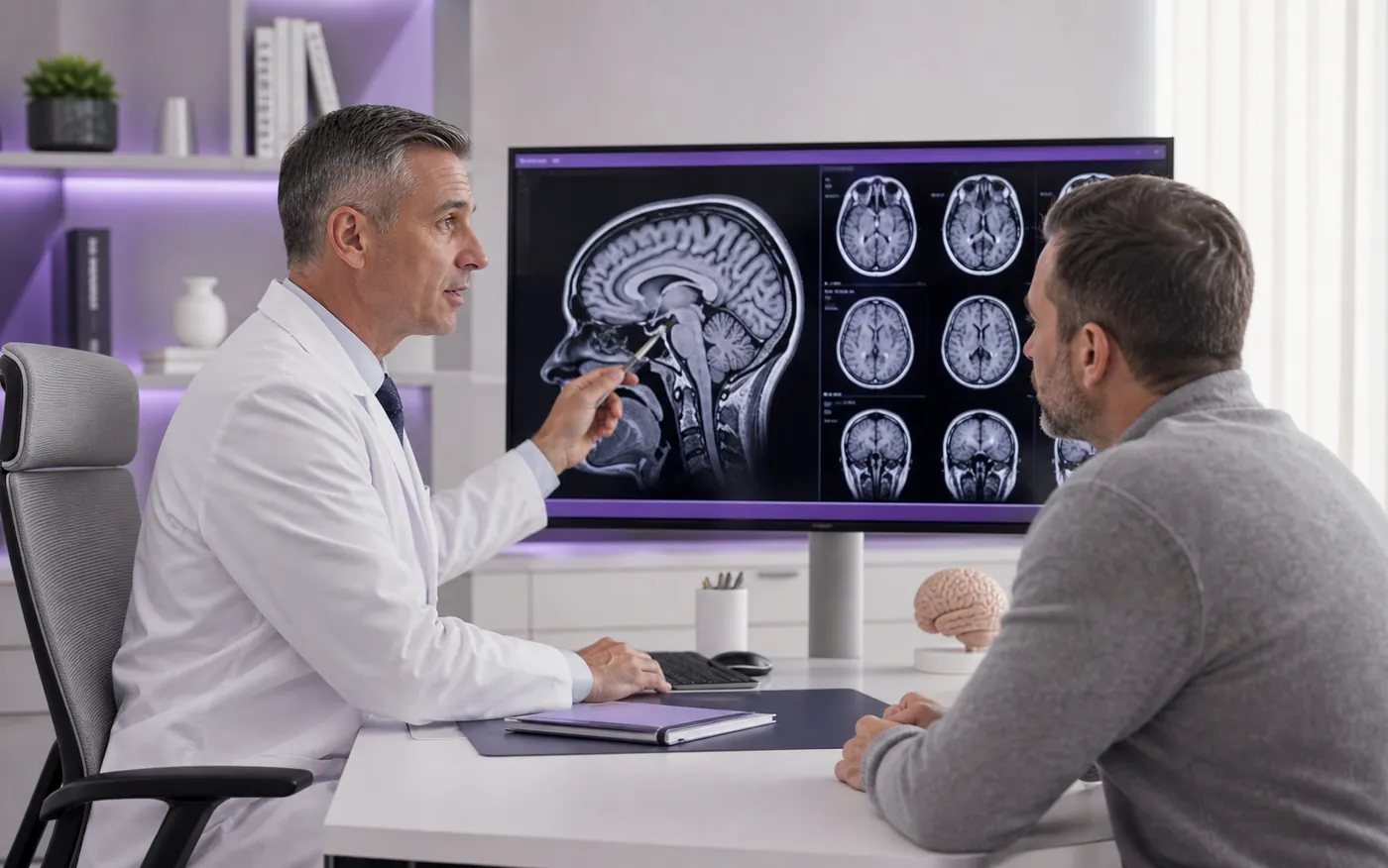
Neurosurgery is the specialty concerned with conditions of the brain, spinal cord and nerves. A neurosurgical consultation can lead to monitoring, rehabilitation or medicines as well as an operation. Neurologists and neurosurgeons often work together, but their roles differ: neurologists mainly manage neurological illness medically, while neurosurgeons assess whether an operation may help.
Conditions and concerns assessed
People may be referred for the following concerns. The diagnosis and severity determine which care is appropriate.
- Brain tumours
- Brain aneurysms
- Hydrocephalus
- Nerve compression
Understand the diagnosis
Assessment and tests
Assessment combines symptoms and a neurological examination with scans such as MRI or CT. Bring the scan images as well as the written reports so the team can review anatomy.
Understand the plan
Treatment approaches
Treatment can involve tumour removal, biopsy, pressure relief or vascular surgery. The goal and surgical route depend on the affected area and the functions nearby.
Preparing for your neurosurgery consultation
Bring a symptom timeline, previous diagnoses, reports and a list of medicines and allergies. Explain what has already been tried and how the problem affects daily life. Ask which records the specialist needs before repeating tests.
- 01
Organize reports and scan images
- 02
Write down your goals and questions
- 03
Confirm the assessment and follow-up plan
For care abroad, our international patient support team helps coordinate records and appointments before travel.
Recovery and continuing care
Recovery may involve movement, speech or cognitive rehabilitation. Discuss neurological changes to watch for and who will manage follow-up.
The care team should explain the expected benefit, important risks and what to do if symptoms change. Agree on a follow-up contact and obtain the treatment summary before returning home. Recovery estimates are individual and are not a guarantee.
Common questions about neurosurgery
What happens at a neurosurgery assessment?
Assessment combines symptoms and a neurological examination with scans such as MRI or CT. Bring the scan images as well as the written reports so the team can review anatomy.
Does a specialist consultation always lead to a procedure?
No. A consultation establishes the diagnosis and helps compare the likely benefits and risks of suitable approaches. Monitoring, medicines or rehabilitation may be appropriate, depending on the condition.
How should I plan treatment costs and travel?
Ask the responsible hospital to explain tests, treatment, hospital care, medicines and follow-up inclusions. Confirm the appointment and expected stay before booking travel; published prices are planning information.
Further reading: Neurosurgery reference. These original summaries are general educational information; a named clinical review has not been recorded.
Explore treatment costs in India, care in Mumbai and Navi Mumbai, or request treatment assistance.
Treatment information
Treatment guides and indicative costs
Every card opens a full treatment guide with what it involves, preparation, recovery, risks, questions to ask and USD planning ranges.
Brain Tumor Removal
→Brain tumour removal is planned around the tumour’s location, size, biology and relationship to important brain functions. Imaging and, when needed, tissue analysis help the neurosurgical team define a safe goal.
$1,189 – $5,632
Cerebral Aneurysm Clipping
→Cerebral aneurysm clipping treats a weak area in a brain artery by placing a small clip across its neck. The decision depends on aneurysm size, location, shape, symptoms and the person’s overall health.
$15,000 – $30,000
Doctor profiles
Specialists connected to this care area
Review qualifications, stated experience and clinical interests. Final suitability can only be determined after a doctor reviews the patient’s records.

Dr Sunil C. Kutty
Consultant Brain & Spine Surgeon

Dr Neeraj Jain
Consultant Neurologist

Dr Pooja Singh Gaur
Consultant Neuro Physiotherapist & Rehabilitation Specialist
Before treatment is planned
Confirm the diagnosisAsk which tests support the diagnosis and whether another clinical opinion would be useful.
Discuss suitable approachesDiscuss non-surgical and surgical alternatives, expected benefits, limitations, and risks.
Plan follow-up careUnderstand rehabilitation, warning signs, medicines, and who will manage care after returning home.
Sources and review status
This is general patient information. A named clinical review has not been recorded for this page. Use the resources below for further reading and discuss decisions with your treating clinician.
- CDC Yellow Book: medical tourism, hospital checks and continuity of care
- NHS: preparing for surgery and questions to ask
These resources address general planning and do not verify every procedure-specific statement or endorse Doctatoc. How we label sources and reviews.