
Spine Surgery
From herniated discs to complex scoliosis correction, our spine care network offers endoscopic discectomy, artificial disc replacement, and robotic-assisted spinal fusion performed by fellowship-trained spine surgeons.
Educational information only. The appropriate operation or treatment depends on diagnosis, test results, overall health, and a qualified clinician’s assessment.
 AI
AIYour specialty guide
What is Spine Surgery?
Spine surgery addresses selected problems involving vertebrae, discs and nearby nerves. It may aim to relieve nerve pressure, stabilize the spine or correct a deformity. Many back and neck symptoms are first managed without surgery, and the location of pain must be assessed alongside imaging.
Conditions and concerns assessed
People may be referred for the following concerns. The diagnosis and severity determine which care is appropriate.
- Disc-related nerve compression
- Spinal stenosis
- Spinal instability
- Selected spine injuries
Understand the diagnosis
Assessment and tests
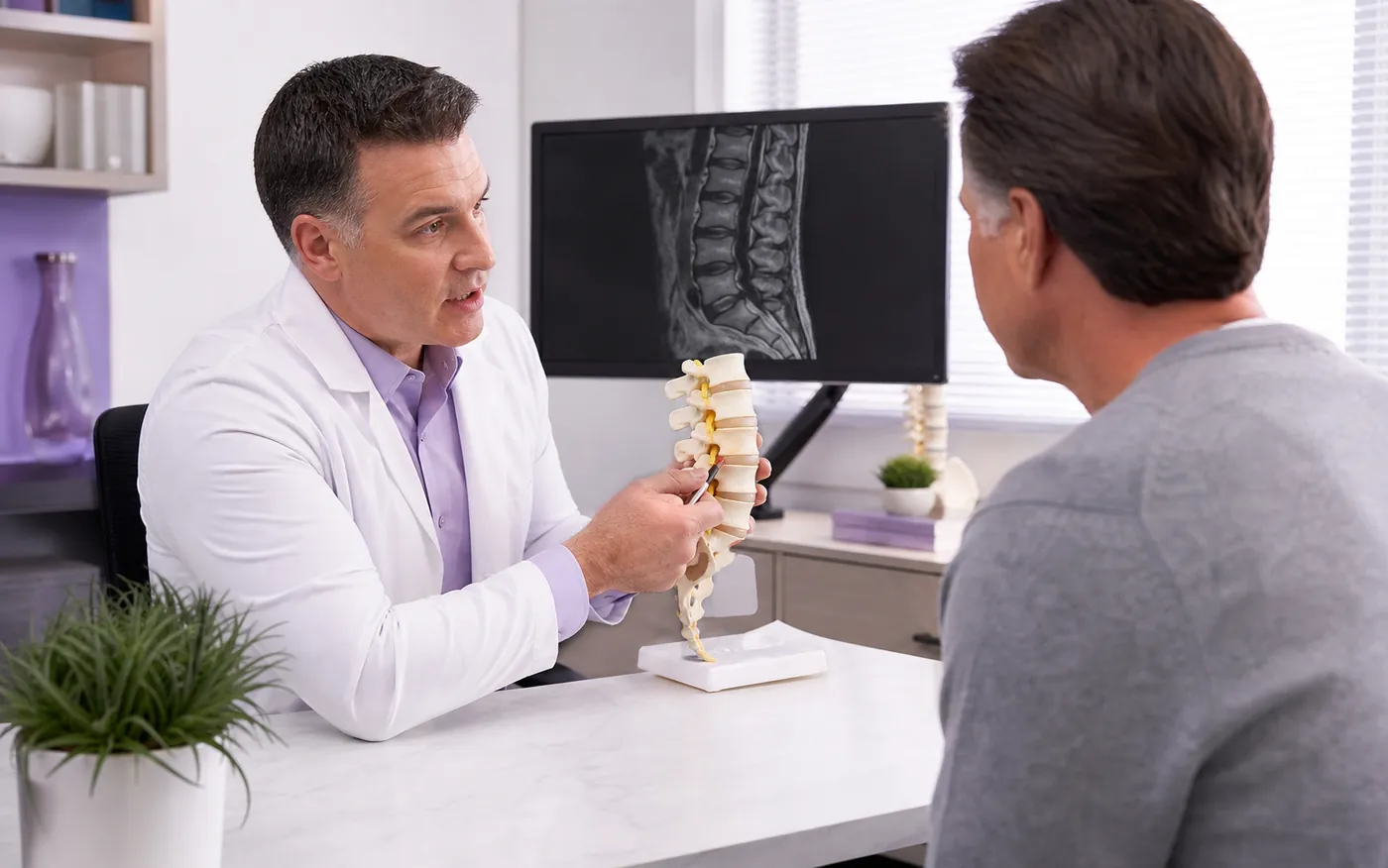
A specialist reviews pain patterns, sensation, strength and walking, then compares these findings with scans. Previous rehabilitation and treatment history matter.
Understand the plan
Treatment approaches
Decompression creates space around nerves. Discectomy removes selected disc material, while fusion stabilizes a segment when appropriate.
Preparing for your spine surgery consultation
Bring a symptom timeline, previous diagnoses, reports and a list of medicines and allergies. Explain what has already been tried and how the problem affects daily life. Ask which records the specialist needs before repeating tests.
- 01
Organize reports and scan images
- 02
Write down your goals and questions
- 03
Confirm the assessment and follow-up plan
For care abroad, our international patient support team helps coordinate records and appointments before travel.
Recovery and continuing care
Recovery plans include movement and lifting guidance. Nerve symptoms may improve differently from back pain; ask about rehabilitation and persistent symptoms.
The care team should explain the expected benefit, important risks and what to do if symptoms change. Agree on a follow-up contact and obtain the treatment summary before returning home. Recovery estimates are individual and are not a guarantee.
Common questions about spine surgery
What happens at a spine surgery assessment?
A specialist reviews pain patterns, sensation, strength and walking, then compares these findings with scans. Previous rehabilitation and treatment history matter.
Does a specialist consultation always lead to a procedure?
No. A consultation establishes the diagnosis and helps compare the likely benefits and risks of suitable approaches. Monitoring, medicines or rehabilitation may be appropriate, depending on the condition.
How should I plan treatment costs and travel?
Ask the responsible hospital to explain tests, treatment, hospital care, medicines and follow-up inclusions. Confirm the appointment and expected stay before booking travel; published prices are planning information.
Further reading: Spine Surgery reference. These original summaries are general educational information; a named clinical review has not been recorded.
Explore treatment costs in India, care in Mumbai and Navi Mumbai, or request treatment assistance.
Treatment information
Treatment guides and indicative costs
Every card opens a full treatment guide with what it involves, preparation, recovery, risks, questions to ask and USD planning ranges.
Spinal Fusion Surgery
→Spinal fusion joins selected vertebrae to stabilize an unstable or painful spinal segment. Imaging, symptoms, movement, nerve findings and previous treatment guide the level and technique chosen.
$5,000 – $6,000
Endoscopic Discectomy
→Endoscopic discectomy uses a small camera and instruments through a limited access route to remove disc material pressing on a nerve. It is considered only after the diagnosis and symptom pattern are confirmed.
$4,200 – $9,000
Doctor profiles
Specialists connected to this care area
Review qualifications, stated experience and clinical interests. Final suitability can only be determined after a doctor reviews the patient’s records.
Before treatment is planned
Confirm the diagnosisAsk which tests support the diagnosis and whether another clinical opinion would be useful.
Discuss suitable approachesDiscuss non-surgical and surgical alternatives, expected benefits, limitations, and risks.
Plan follow-up careUnderstand rehabilitation, warning signs, medicines, and who will manage care after returning home.
Sources and review status
This is general patient information. A named clinical review has not been recorded for this page. Use the resources below for further reading and discuss decisions with your treating clinician.
- CDC Yellow Book: medical tourism, hospital checks and continuity of care
- NHS: preparing for surgery and questions to ask
These resources address general planning and do not verify every procedure-specific statement or endorse Doctatoc. How we label sources and reviews.