

Travelling to another country for medical care involves more than arranging an appointment and booking a flight. You need a treating team that has reviewed your records, a written plan you understand, a clear estimate of the full cost, permission to travel and a realistic follow-up arrangement. This guide walks through each decision in the order it usually becomes useful. It is designed for international patients considering care in India and for the family members helping them plan.
The key question: What has the treating team actually confirmed about your diagnosis, proposed care, expected stay, total cost and ability to travel? Keep those confirmations in writing before committing to an itinerary.
Start with your medical question, not a destination
“I need surgery in India” is often too broad a starting point. A more useful question is “What diagnosis has been established, which treatment approaches have been discussed, and what information does another clinician need to assess me?” Sometimes a specialist reviewing the same records recommends a different operation, further tests, a non-surgical approach or treatment closer to home. A second opinion is valuable because it can clarify a decision; it does not promise a particular treatment or result.
If you have a complex or urgent condition, discuss whether travelling is appropriate with your current clinician before making plans. The CDC's medical-tourism guidance advises travellers to research the clinician and facility, arrange follow-up in advance and obtain a pre-travel consultation. The treating team must decide your individual suitability and timing.
Make a one-page case summary
Start with your main diagnosis or symptoms, when they began, treatments already tried, important medical conditions, medicines, allergies and the specific decision you want help with. Add the names and dates of relevant tests. This summary lets a receiving team understand the question quickly, while the full reports remain available for review.
Prepare a records pack a specialist can actually review
Different specialties need different information. A cancer team may need pathology and staging documents; a spine surgeon may need imaging and the radiologist's report; a fertility clinic may request previous treatment summaries and test results. Never assume the first file you uploaded is enough. Ask the receiving hospital for its own checklist and whether original image files, slides or translated documents are needed.
- Clinical history: referral letter, discharge summaries, prior procedures and a current medication list.
- Evidence for the diagnosis: laboratory results, pathology reports and imaging reports, with dates and units.
- Source material when requested: scans in the format the clinician can open, and pathology material if the hospital specifically asks for it.
- Your practical question: the treatment decision, symptoms or quality-of-life concern you most want addressed.
- Communication details: a reliable contact method, preferred language and any accessibility needs.
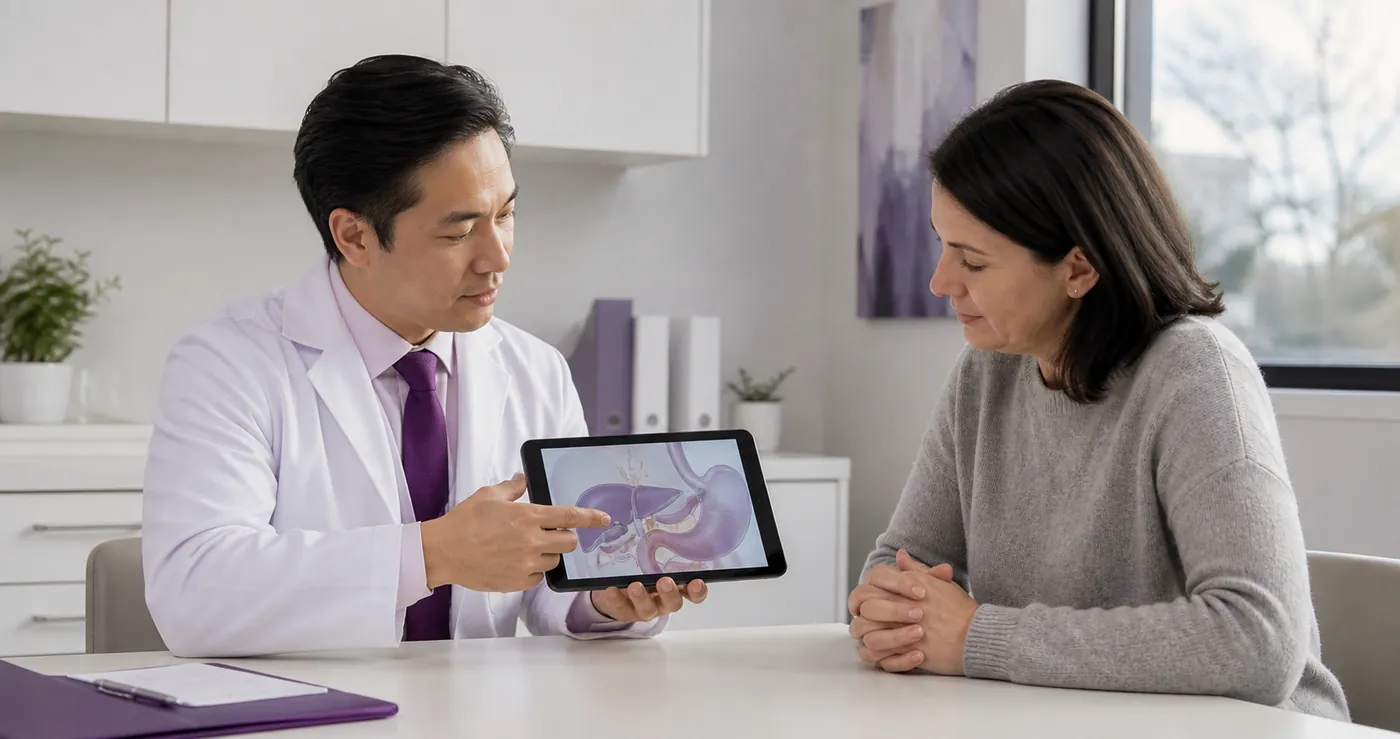
Send records through a secure process and ask who will be able to view them. Keep your own copies. If a hospital later updates its opinion after examining you or repeating tests, ask what new finding changed the plan. For specialty-specific preparation, see our cancer treatment guides, orthopedic care guides and neurosurgery guides.
 AI
AIReview the proposed clinician and hospital separately
A hospital's reputation does not tell you who will perform a procedure, and a doctor's profile does not by itself describe the facility's services. Ask for the responsible clinician's name, qualifications, registration and relevant experience. Ask where the procedure will take place, which team members will be involved, what services are available for complications and who will manage your care after discharge.
You can use the NABH healthcare-organisation directory to look up accreditation, certification or empanelment information in India. Check the listing type and its current status with the organisation; the directory notes that some data may be incomplete while its site is being updated. Accreditation is one piece of evidence about systems and processes, not a guarantee of a clinical outcome. The CDC likewise recommends checking both clinician and facility credentials while recognising that every procedure has risks.
When reviewing information on Doctatoc, start with a care-area guide and then open the relevant doctor profiles. A profile is background information; the appropriate clinician and plan can only be determined after someone qualified reviews your own records.
Ask for a written treatment plan before comparing prices
A treatment estimate without a clinical plan is difficult to interpret. Request a document that identifies the working diagnosis, the proposed procedure or course of care, expected tests on arrival, alternatives discussed, main risks, likely inpatient and outpatient phases, and who is responsible for follow-up. If the decision is still provisional, the document should say so plainly.
Ask the clinician to explain why this plan fits your findings. For surgery, confirm what might change the operation after examination, imaging or tests. The WHO's safe-surgery guidance emphasises communication and safety checks within the surgical team; patients can ask how identity, procedure, consent and relevant risks will be confirmed. Consent should be an informed discussion, not a form signed without understanding.
Ten questions to take into the consultation
- What is the diagnosis, and which test results support it?
- What information is still missing before you can make a firm recommendation?
- What are the reasonable alternatives, including care at home or no procedure now?
- What benefits are realistic for a person with my findings?
- What important complications should I understand, and who would manage them?
- Who will perform the procedure and oversee inpatient care?
- What could change the plan or add cost after arrival?
- When might I leave the hospital, and what has to happen before I can fly?
- Which medicines, rehabilitation or monitoring will be needed afterward?
- Who should my clinician at home contact if questions or complications arise?
Read hospital estimates carefully
A headline amount is only meaningful when you know what it covers. Ask each hospital to use the same proposed treatment and assumptions before comparing estimates. Request the currency, estimate validity, payment milestones and a list of inclusions and exclusions. Where a device or implant is involved, ask which make or specification the estimate assumes and whether alternatives change the price.
| Item to check | What to ask the hospital | Why it matters |
|---|---|---|
| Clinical scope | Which procedure, tests and specialist reviews are included? | Two estimates may describe different plans. |
| Hospital care | Which room, operating-theatre, nursing and inpatient days are assumed? | A longer stay can change the final bill. |
| Professional fees | Are surgeon, anaesthesia and other clinician fees included? | These may be listed separately. |
| Devices and medicines | Which implant, consumables and medicines are assumed? | The selected device can affect cost. |
| Changes and complications | How are additional procedures, intensive care or unexpected days billed? | A fixed-looking number may have exclusions. |
| Aftercare | Are physiotherapy, medicines, follow-up and complication reviews covered? | Care continues beyond discharge. |
| Travel and stay | Does the estimate include flights, visa charges, accommodation or a companion? | Those are often separate from hospital fees. |
Ask for the policy on deposits, cancellation and refunds before paying. Save every version of the estimate and note what changed. The CDC Yellow Book advises medical travellers to understand what services are included and to plan for the cost of follow-up or complications. A cost card can help frame an initial question, but your written hospital estimate is the document to use for a decision. Explore the site's cost guides for treatment topics, then verify current amounts directly with the responsible hospital.
Check visa rules and travel readiness in the right order
India's official e-Visa portal describes e-Medical and e-Medical Attendant categories, eligibility, application windows and required documents. It currently lists a hospital letter among the documents for an e-Medical application and states that up to two attendant visas may be linked to one patient's e-Medical visa. These rules can change and depend on nationality and circumstances. Read the official portal for your case and, if it does not fit, contact the appropriate Indian mission rather than relying on an old checklist.
A hospital invitation or proposed admission date is not proof that you are medically fit to travel. Ask the treating team and your current clinician when flying is appropriate, especially after a procedure. The CDC notes that flying after surgery can raise blood-clot risk; individual guidance must take your condition and procedure into account. Plan arrival, transport, accommodation and a companion around the team's confirmed timeline, with flexibility if tests or recovery take longer than expected.
 AI
AIA practical decision sequence
- Share records and receive a provisional specialist review.
- Clarify the proposed treatment, alternatives, uncertainties and likely stay.
- Obtain an itemized hospital estimate and confirm the hospital's admission process.
- Check the official visa category and gather the hospital documents it requires.
- Discuss fitness to travel and timing with clinicians who know your case.
- Only then settle on flights, accommodation and local transfers.
Doctatoc's international patient support page explains where coordination can help with records, appointments and practical arrangements. Immigration approval and medical decisions remain with the relevant authorities and clinicians.
Make a recovery and return-home plan before departure
Ask what must be true before you leave hospital, where you should stay afterward and what symptoms need urgent attention. Request a written discharge summary, procedure details, medication list, test results, wound-care advice where relevant and clear follow-up appointments. Ask whether the responsible team can communicate with your clinician at home and how to reach them if a problem appears after you return.
The CDC Yellow Book recommends that medical travellers obtain copies of their overseas records and share them with the professionals responsible for later care. It also advises planning in advance for complications, insurance limits and follow-up at home. If you feel unwell after treatment or during travel, seek medical assessment promptly; do not wait for an international appointment to resolve an urgent problem.
Recovery is different for cardiac care, spine surgery, fertility treatment and dental treatment. Use the relevant guide to prepare questions, then follow the instructions given by your treating team.
What a coordinated journey might look like
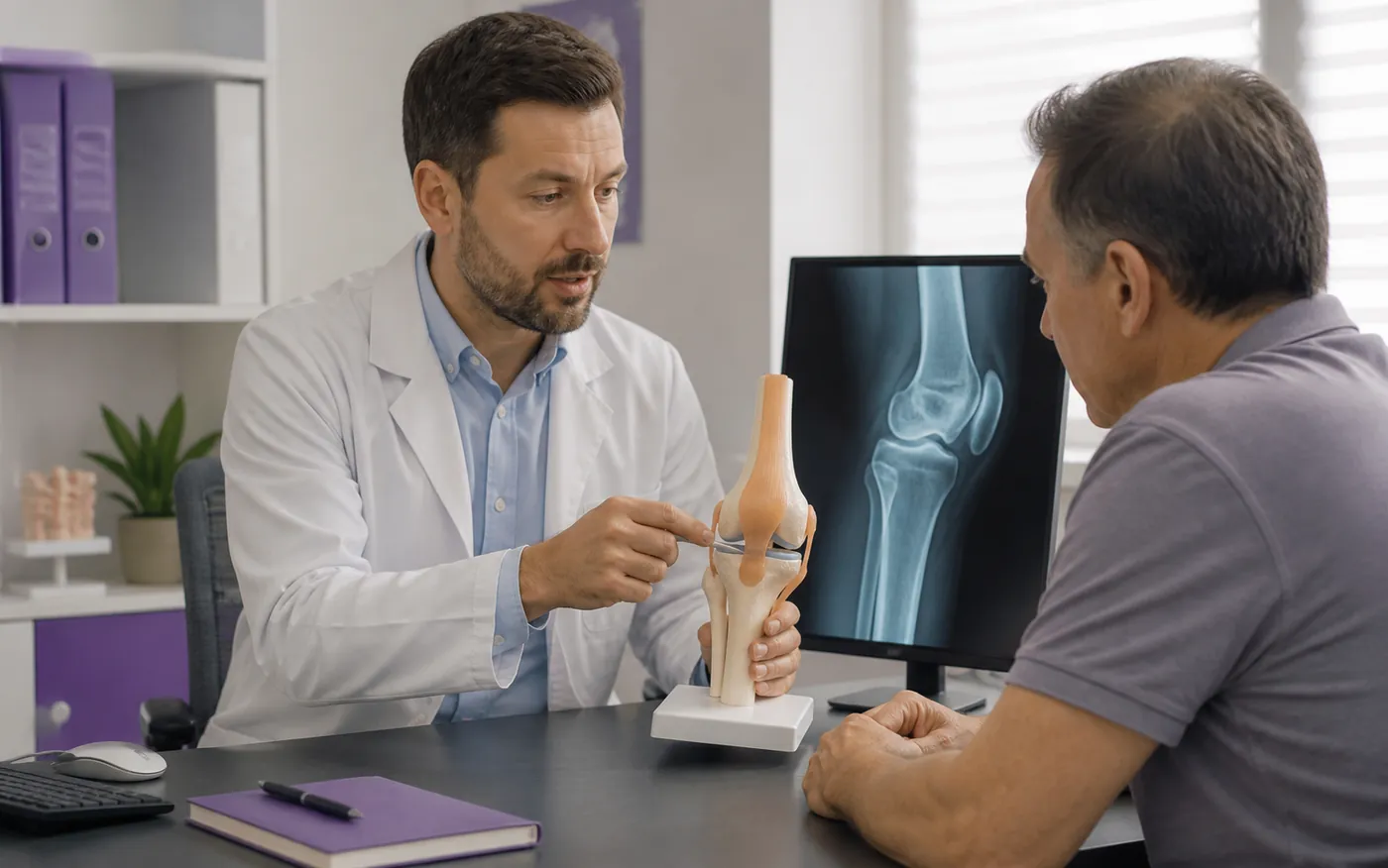
Imagine a patient seeking a second opinion about knee replacement. They send recent imaging, a medication list, a referral and a short account of how pain affects daily life. An orthopedic clinician reviews the records and requests an additional examination on arrival. The hospital explains possible surgical and non-surgical approaches, the proposed implant assumptions and the likely rehabilitation pathway. It issues an itemized estimate with clear exclusions.
 AI
AIThe patient checks clinician credentials and facility information, confirms visa documents through the official portal and discusses travel fitness with their own doctor. They reserve accommodation that can be extended if needed. Before returning home, they receive a discharge summary and a plan for rehabilitation with a local clinician. None of those steps guarantees the operation or the outcome; together they make the decision clearer and the handoff safer. Our knee replacement guide covers the procedure in more detail.
Frequently asked questions
Can a doctor confirm my treatment before I arrive?
A clinician may give a provisional opinion after reviewing records. Examination or additional tests can change the diagnosis, treatment choice, timing and estimate. Ask the hospital to label clearly what is confirmed and what remains conditional.
Should I choose the lowest estimate?
Compare the proposed care and the estimate's scope first. Check the clinician, facility, alternatives, expected follow-up, exclusions and possible extra charges. Different assumptions can produce very different totals.
Does hospital accreditation guarantee a safe result?
No. Accreditation offers information about a facility's standards and processes, while treatment suitability and outcomes depend on the individual case and clinical care. Verify the current listing and discuss risks with the treating clinician.
Can I travel immediately after surgery?
Only your treating team can tell you when travel is appropriate for your procedure and recovery. Build flexibility into your return booking and ask what assessment is needed before flying.
Who handles a complication once I am home?
Agree on that plan before you travel: know the hospital contact, your local clinician, what records they need and where to seek urgent care. Check whether insurance covers later treatment and what costs you may need to pay yourself.
Sources and editorial note
This article uses official sources for general travel, visa and hospital-verification guidance: Government of India e-Visa portal, NABH organisation directory, CDC medical tourism guidance, CDC Yellow Book medical tourism chapter and WHO safe-surgery guidance. The visa portal and accreditation directory can change; verify their current information before acting. The planning checklists are Doctatoc editorial prompts, not individual medical, immigration or financial advice. A qualified clinician who has reviewed your case and the relevant authority must confirm personal decisions.